
There comes a point in many of our lives, or in the lives of someone we love, when everyday tasks that once felt effortless begin to feel a little more challenging. Getting dressed in the morning, managing a shower safely, or simply keeping on top of medication can become genuinely difficult for older adults, people living with disabilities, or those recovering from illness or surgery.
The good news is that needing a helping hand doesn’t have to mean leaving the home you love. Personal care at home offers a compassionate, flexible, and dignified way for people to receive the support they need whilst remaining in familiar surroundings, close to their community, their memories, and the things that matter most to them.
In this blog, we’ll walk you through exactly what personal care at home is, how it works in practice, and what to look for when choosing the right homecare provider in Dundee or the surrounding area.
What Is Personal Care at Home?
Personal care at home refers to professional support provided by trained carers who visit an individual in their own home to assist with tasks related to daily living and personal hygiene. It is distinct from medical or clinical care, instead, it focuses on helping people maintain their comfort, cleanliness, and wellbeing as part of everyday life.
Personal care can include a wide range of practical tasks, such as:
- Bathing and showering: assisting someone to wash safely, whether in the bath, shower, or with a bed bath
- Dressing and undressing: helping to choose appropriate clothing and supporting someone to dress with as much independence as possible
- Grooming and personal hygiene: including hair care, oral hygiene, shaving, and nail care
- Toileting and continence support: assisting with using the toilet or managing continence aids sensitively and respectfully
- Mobility support: helping someone move around the home safely, including transferring from bed to chair or supporting walking. Some individuals may also benefit from exercise, rehabilitation, and nutrition support at home to help maintain strength, balance, mobility, and overall wellbeing.
- Medication reminders: prompting individuals to take their prescribed medication at the right time
- Skin care: applying creams or lotions as required, and monitoring for any pressure areas or skin concerns
The exact support provided will vary from person to person. No two individuals have identical needs, and good personal care reflects that. It is tailored, thoughtful, and always centred on the person receiving it.
Is Personal Care Free in Scotland?
One important detail that many families in Dundee and across Scotland are not immediately aware of: in Scotland, eligible adults may be entitled to receive personal care at home free of charge.
Under the Scottish Government’s Free Personal Care policy, adults who are assessed by their local council as needing personal care do not have to pay for it, regardless of their financial circumstances. This is a significant benefit that sets Scotland apart from England and Wales, where care costs are means-tested.
At Bentleyes Homecare, we can help guide you through the assessment process and explain your options under Self-Directed Support, the framework that gives individuals and families in Dundee more control over how their care is arranged and delivered. Whether your care is council-funded, privately arranged, or a combination of both, we are here to help you find the right solution.
Not sure if you or a loved one qualifies? Get in touch with us or contact your local Dundee City Council social work team to request a care needs assessment.
How Does Personal Care at Home Work?
Personal care at home is designed to provide compassionate, one-to-one support while allowing individuals to remain comfortable in familiar surroundings. The process is tailored around each person’s unique needs, helping them maintain dignity, independence, and daily routines with confidence.
Initial Assessment and a Personalised Care Plan
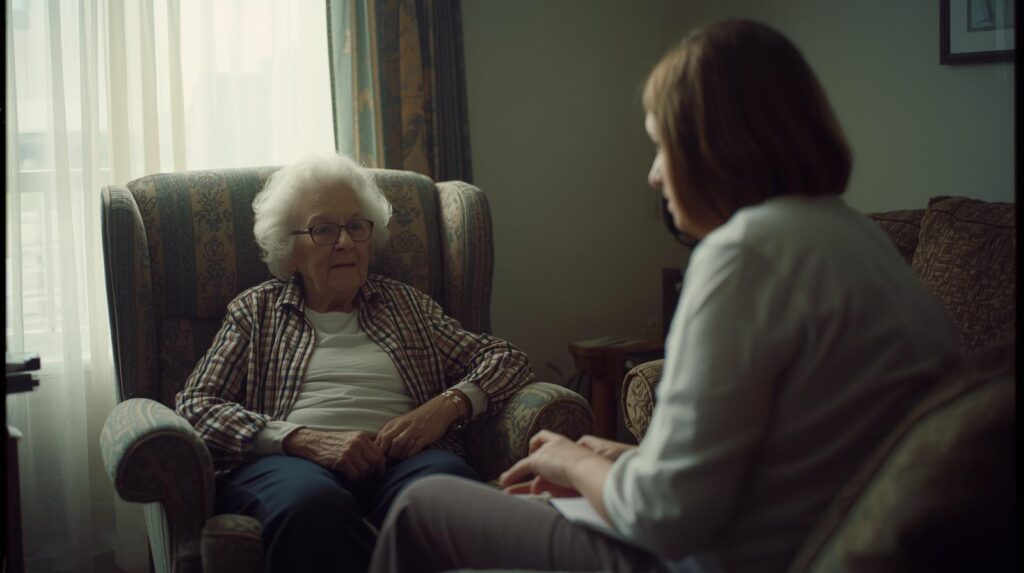
Personal care at home begins with a thorough assessment, usually carried out by a senior member of the homecare team. This is an opportunity to understand the individual’s needs, preferences, health conditions, and daily routines. Family members or carers are often invited to be part of this conversation too.
From this assessment, a personalised care plan is created. This document acts as a guide for carers, outlining exactly what support is needed, when it should be provided, and how the individual prefers things to be done. It might cover anything from which products someone likes to use in the bath, to the order in which they prefer to get dressed in the morning. The details matter.
Care plans are not fixed documents, they are reviewed and updated regularly to reflect any changes in the individual’s needs or circumstances.
The Role of Trained Homecare Staff
All personal care is delivered by trained homecare workers who understand both the practical and emotional dimensions of their role. They are not simply there to complete tasks; they are there to support a person’s dignity and quality of life.
Good carers take time to build a trusting relationship with the people they support. They understand that being assisted with intimate tasks such as bathing or toileting can feel vulnerable, and they approach every visit with patience, and respect.
Typical Routines and Flexibility
One of the great strengths of personal care at home is its flexibility. Visits can be scheduled to suit the individual’s lifestyle and needs so whether that means a single morning call to assist with getting up and ready for the day, or multiple visits throughout the day and evening.
A typical morning visit, for example, might involve assisting someone to shower, helping them dress, supporting them with breakfast, and ensuring their medication is taken. An evening visit might focus on helping someone prepare for bed, assisting with personal hygiene, and ensuring they are comfortable and settled.
Of course, life doesn’t always follow a rigid timetable, and quality homecare providers understand this. Routines can be adjusted as needs change, and extra support can be arranged during periods of illness or recovery.
Safety, Dignity, and Promoting Independence
Two values sit at the heart of personal care at home: safety and dignity. Every task is carried out with the individual’s physical safety in mind, while also ensuring emotional comfort and respect. At Bentleyes Homecare, this approach is carefully built into every visit, as outlined in how Bentleyes crafts personalised home care assistance in Dundee through a truly person-centred approach.
This means involving individuals in decisions about their own care wherever possible. It means asking rather than assuming, and taking the time to do things in the way the person prefers, even if that takes a little longer. It means knocking before entering, explaining what will happen before doing it, and maintaining privacy at all times.
Promoting independence is also a key goal. Personal care is not about doing everything for someone, it is about supporting them to do as much as they comfortably and safely can for themselves. That might mean a carer standing by whilst someone brushes their own teeth, rather than doing it for them. These small acts of autonomy can make a significant difference to someone’s sense of confidence and self-worth.
The Benefits of Personal Care at Home
For many people, the question arises: why choose homecare rather than a residential care facility? There are, of course, situations where residential care is the right choice, but for those who are able to remain at home safely, the benefits of doing so are considerable.
Comfort and Familiar Surroundings
There is something deeply reassuring about being in your own home. Your own chair, your own bed, these familiar spaces provide a sense of security and belonging that is very difficult to replicate elsewhere. Additional support services such as general cleaning or concierge assistance can also help individuals maintain a safe, organised, and comfortable home environment with less daily stress. For people living with dementia, in particular, remaining in a known environment can significantly reduce anxiety and confusion.
Emotional Wellbeing
Staying at home means staying connected to the life you have built. It means your pet can still curl up beside you, your family can visit freely, and your neighbours can pop in for a cup of tea. For individuals who may feel isolated or lonely, befriending and social care services or telephone befriending can provide valuable companionship, conversation, and regular social interaction. These connections are not trivial, they are vital to emotional health and a sense of purpose.
Maintaining Independence
Personal care at home supports people to live life on their own terms. Rather than adapting to the schedule of a care facility, individuals can keep their own routines and maintain control over the decisions that shape their daily life. This is at the heart of personalised home care in Dundee designed for dignity and comfort, where care is shaped entirely around the individual rather than a fixed system.
One-to-One Attention
At home, the care you receive is dedicated entirely to you. There are no competing demands on your carer’s time during a visit. That individual attention allows for a quality of care and a depth of relationship that group settings can struggle to match.
Cost-Effectiveness
How to Choose a Reputable Homecare Provider in Dundee
Choosing a homecare provider is an important decision, and it’s worth taking the time to find one that genuinely aligns with your values and expectations. Here are some things to look for:
- Registration and regulation: In Scotland, homecare providers must be registered with the Care Inspectorate, which carries out regular inspections and publishes reports. Always check a provider’s inspection record before making a decision. You can verify any provider’s registration at careinspectorate.
- Training and staff consistency: Ask how carers are trained, what qualifications they hold, and how the provider ensures consistency of carers. Staff retention and low turnover are often signs of a well-managed and supportive organisation.
- Communication and responsiveness: A good provider will keep you informed, respond promptly to queries or concerns, and make it easy to get in touch with someone who can help.
- Person-centred approach: Look for a provider that talks about the individual’s preferences, not just their care needs. The language an organisation uses tells you a great deal about its values.
- Local knowledge: A provider rooted in Dundee and the wider Tayside community will have a better understanding of the resources, services, council funding pathways, and local networks available in your area.
At Bentleyes Homecare in Dundee, we believe that exceptional personal care begins with listening. Our team takes the time to understand each individual we support, their routines, their preferences, and what matters most to them. The care we provide feels like a natural extension of their own life, not an imposition on it.
In Conclusion
Personal care at home is a wonderful option for anyone who needs a little extra support with daily living but wishes to remain in the comfort of their own home. From assistance with bathing and dressing to mobility support and medication reminders, it covers a wide range of practical needs whilst always keeping dignity and independence at its core.
The process begins with a careful assessment, leads to a personalised care plan, and is delivered by trained, compassionate carers who genuinely care about the people they support. For families across Dundee, Tayside, and the surrounding area, it offers a reassuring middle ground: professional, reliable support without the upheaval of moving into residential care.
If you think personal care at home might be right for you or someone you love, we’d encourage you to start the conversation sooner rather than later. The right support, put in place at the right time, can make a remarkable difference to quality of life.