There’s a particular kind of quiet that settles over a house when no one visits. Not the peaceful quiet of a Sunday morning, or the comfortable hush of a good book , but something heavier. A silence that stretches from one day into the next, broken only by the television, the kettle, and perhaps the distant sound of neighbours going about their lives. For many elderly people across Dundee and the surrounding areas, this is not an occasional experience. It is daily life.
At Bentley’s Homecare, we see it regularly. We visit clients who are wonderfully sharp, full of stories, and achingly lonely. And we know that loneliness, for all that it’s often overlooked, is one of the most serious threats to the health and wellbeing of older people in our communities today.
Across Dundee and surrounding communities including Broughty Ferry, Monifieth, Newport on Tay, Invergowrie and nearby areas, many older people face increasing social isolation as family members move away, health challenges develop, or mobility becomes more difficult.
This post is for anyone who might be housebound, or caring for someone who is. Because we want to say clearly: you don’t have to be alone. There is help available, there are people who care, and there are practical steps that can make an enormous difference.
What Do We Mean by Befriending?
Befriending is exactly what it sounds like, it is the act of providing companionship to someone who needs it. In the context of elderly care, befriending services match volunteers or paid carers with older people who may have limited social contact.
Our own Befriending & Social Care service supports older adults through meaningful companionship and regular social interaction.
Visits might be in person, over the telephone, or increasingly through video calls.
For people who may prefer regular calls from home, our Telephone Befriending service can help maintain connection and reduce feelings of isolation.
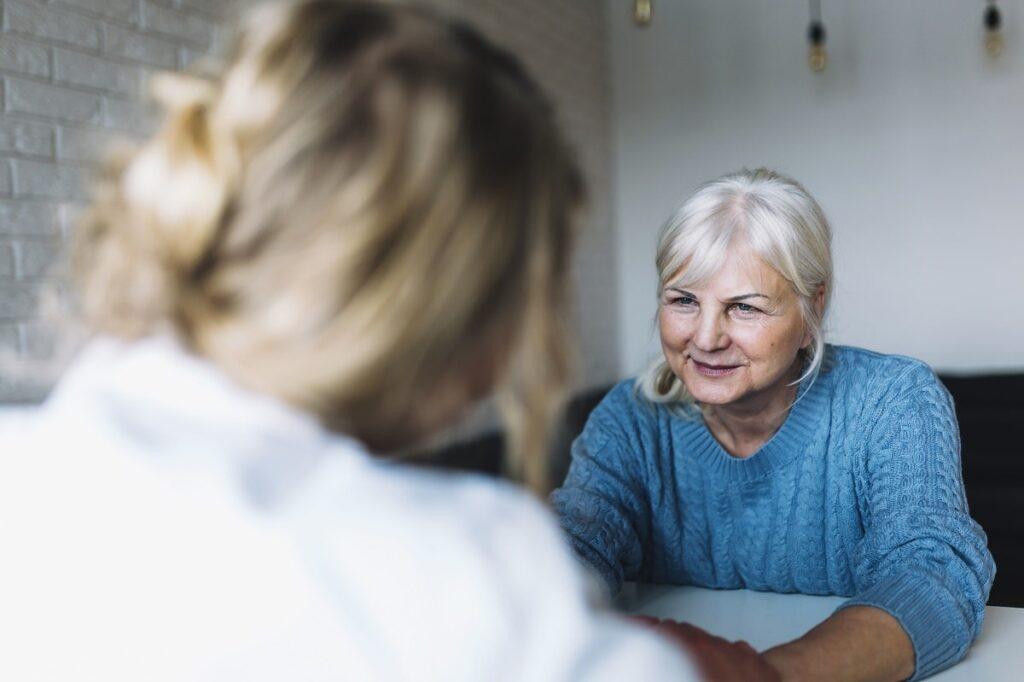
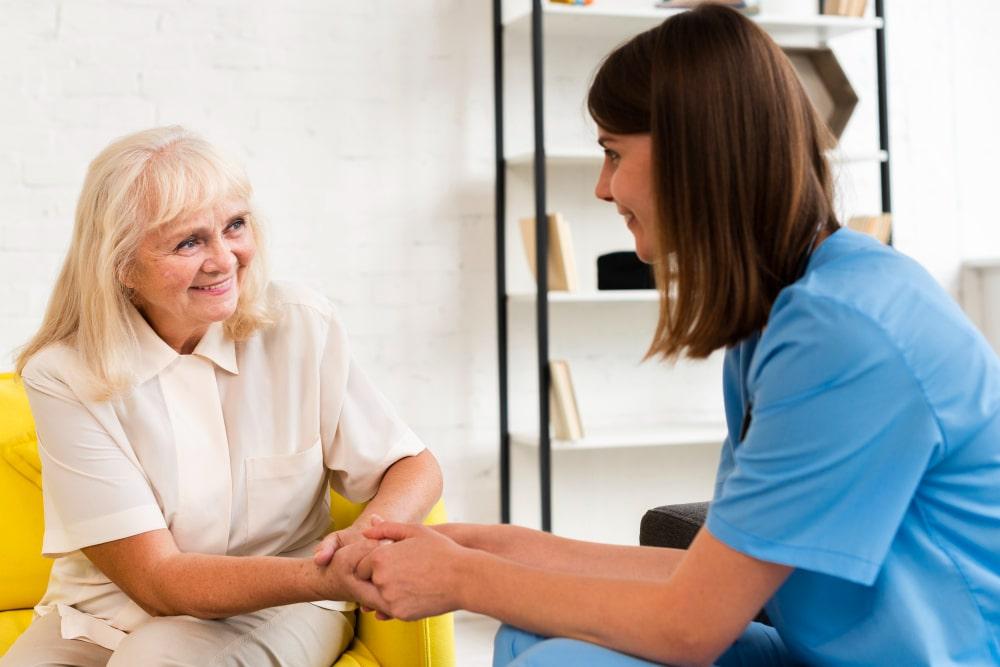
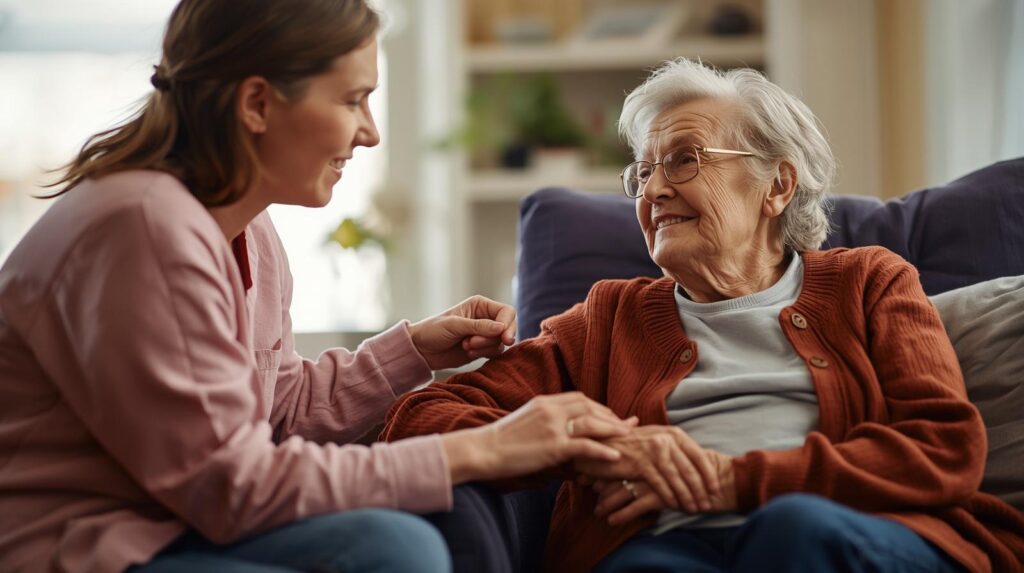
They might involve a cup of tea and a chat, a short walk in the garden, help with a crossword, or simply sitting together and watching the afternoon go by.
It sounds simple. In many ways, it is. But the impact is anything but small.
Research consistently shows that chronic loneliness carries health risks comparable to smoking fifteen cigarettes a day. It increases the likelihood of cognitive decline, depression, heart disease, and a weakened immune system. For housebound elderly people, those who struggle to leave their homes due to mobility issues, their risk of becoming severely isolated is particularly high.
Befriending doesn’t cure all of this, of course. But it begins to address the root of it: human connection.
Who Is Most at Risk of Isolation?
Isolation doesn’t always announce itself loudly. It often creeps in gradually, especially after a significant life event. Common triggers include:
- Bereavement. Losing a spouse or lifelong partner often means losing the person you spoke to most. Suddenly, days that were once shared become solitary. Many of our clients tell us that the hardest thing isn’t the grief itself but rather the silence that follows.
- Mobility difficulties. When getting out of the house becomes difficult or impossible, the social world shrinks quickly. Trips to the shops, the church, the community centre. All these small interactions become out of reach.
- Health conditions. Whether it’s chronic pain, a stroke, dementia in its early stages, or other long-term illness, poor health often restricts not just movement but confidence. People may feel reluctant to socialise in case they become unwell, or simply lack the energy to maintain relationships as they once did. Support such as Exercise, Rehab & Nutrition at Home can also help some individuals improve mobility, confidence and overall wellbeing.
- Distance from family. Not every older person has children or grandchildren nearby. And even those who do may find that busy modern lives mean visits are less frequent than either side would wish.
- The digital divide. For some older people, particularly those who didn’t grow up with technology, the internet remains inaccessible. Video calls, social media, online community groups. All the modern tools that might help them stay connected are simply not available to them.
What Befriending Actually Looks Like in Practice
One of the things that people often don’t realise about befriending is how tailored it can be. This isn’t a one size fits all arrangement. A good befriending match takes into account the personality, interests, and preferences of the person being supported.
For one person, that might mean a weekly visit from a volunteer who shares their love of gardening, sitting together flicking through seed catalogues and swapping stories of what’s grown well in years gone by. For another, it might be a regular telephone call from someone who rings on a Thursday morning, reliably, just to have a proper conversation.
For others still, particularly those living with dementia or cognitive decline, befriending might involve more structured activity: music, reminiscence sessions, gentle movement, or familiar routines that provide comfort through their very predictability.
At Bentley’s Homecare, befriending often develops naturally within our care visits. Our carers aren’t just there to help with personal care or household tasks, they build genuine relationships with the people they visit.
Many people also begin their journey with practical support through our Personal Care service before gradually building confidence and social connection.
That cup of tea at the end of a visit, the conversation about last night’s television, the remembered detail about a grandchild’s school play. These things matter enormously. They say to someone: you are known, you are remembered, you matter.
Befriending Services in and Around Dundee
Beyond what we provide at Bentley’s, there are several excellent services available locally for those seeking additional befriending support.
- Volunteer Befriending Schemes. A number of charitable organisations operating in Dundee and Angus offer volunteer befriending, matching older people with trained volunteers for regular visits or phone calls. These are often free of charge and can be accessed through a GP referral or a self-referral.
- Community Groups and Day Services. For those who are able to leave the house occasionally even with support, the day centre programmes can offer a valuable social lifeline. Transport is often available, and many people find that a regular outing gives shape to their week.
- Telephone Befriending. National organisations such as Age Scotland run telephone befriending services, where volunteers ring regularly for a friendly chat. This can be particularly helpful for those who are completely housebound, or for whom in-person visits aren’t yet possible.
- Digital Befriending. Some services now offer help to get older people online, pairing technology support with video befriending. For those who do have family members abroad or far afield, learning to video call can be genuinely life-changing.
If you’re unsure where to start, please do get in touch with us at Bentley’s Homecare. We’re well-connected with the local support network and happy to point you in the right direction.
A Word to Family Members and Carers
If you are the son, daughter, or carer of someone who is housebound, the worry about loneliness can feel heavy. You may be doing everything you can like calling regularly, visiting when possible but still lie awake wondering whether it’s enough.
Firstly, please know that your efforts matter, even when they don’t feel sufficient. A familiar voice on the telephone, a photograph sent through the post, a card that arrives unexpectedly on a Tuesday. These small things are not small to the person receiving them.
But it’s also worth knowing that accepting additional befriending support isn’t a failure on anyone’s part. It doesn’t mean you’re not doing enough. It simply means that your loved one benefits from variety, from different voices and faces and stories. A volunteer befriender isn’t a replacement for family. They’re an addition to a life that deserves to be as full as possible.
Don’t be afraid to ask for help on their behalf. Reaching out to a befriending service, arranging extra care visits, or simply speaking honestly with a GP about concerns over isolation. These are acts of love, not defeat.
Taking the First Step
Perhaps you’re reading this and recognising something of your own life in it. Perhaps the days have grown quieter than you’d like. Perhaps you’ve noticed that weeks go by without a proper conversation, and you’re not quite sure how it happened.
We want you to know: it is never too late to change that.
You deserve company. You deserve to be heard, to share your stories, to have someone sit with you and be genuinely interested in your life. That is not too much to ask. In fact, it’s one of the most basic of human needs, and one that Bentley’s Homecare is committed to helping meet.
If you or someone you care about is experiencing loneliness or isolation in the Dundee area, please get in touch with us. We’d love to have a conversation, and we can help you explore what support might look like, whether that’s through our own care services, local befriending schemes, or a combination of both.
You don’t have to be alone. And you shouldn’t have to be.