
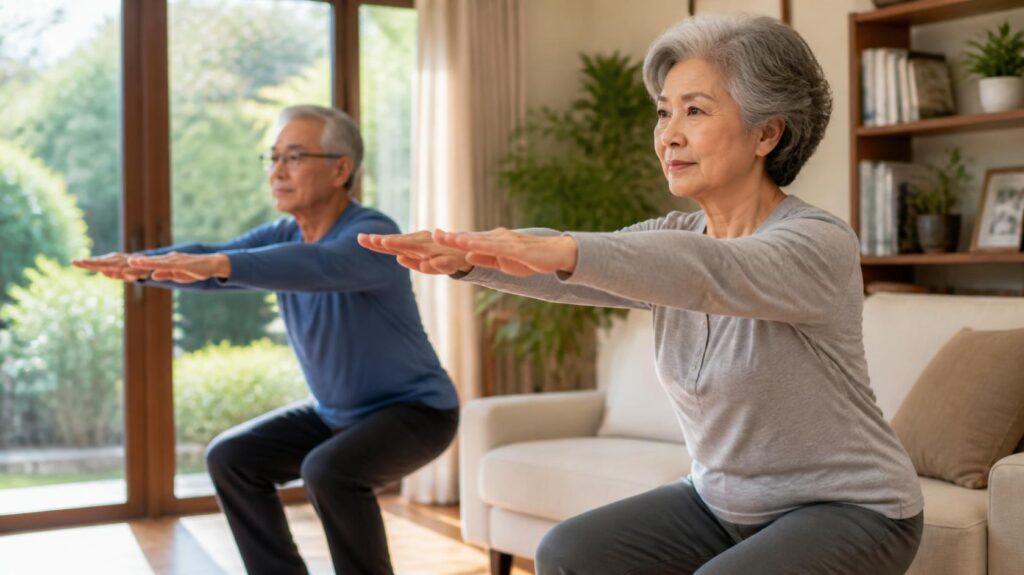
Maintaining physical mobility is a vital part of healthy ageing. For older adults living in Dundee, staying active does not require expensive gym memberships, heavy lifting or complicated equipment.
Gentle, consistent movement at home can dramatically improve physical health, boost mental wellbeing and help individuals retain their independence for much longer.
At Bentleys Home Care, we understand that starting an exercise programme can feel intimidating, especially for those who have not been active recently or who live with chronic joint pain. However, doing a small amount of movement every day is far better than doing nothing at all.
This guide provides a practical, straightforward approach to simple home exercises designed specifically for elderly individuals.
The Benefits of Exercising at Home
Before looking at specific movements, it is helpful to understand why regular physical activity is so highly recommended for older adults. As we age, our bodies naturally lose muscle mass and bone density. Joints can become stiff, and balance can begin to deteriorate.
Regular gentle exercise addresses these issues directly. It helps to lubricate the joints, reducing the pain associated with arthritis. It also builds the strength needed to perform daily tasks, such as carrying groceries or getting out of a low armchair.
Exercises that challenge balance are the single most effective way to prevent falls in the home. Beyond the physical advantages, exercise also has a profound impact on mental health.
Physical activity releases endorphins, which naturally elevate mood and reduce feelings of anxiety. It also tires the body out in a healthy way, leading to deeper and more restful sleep at night.
|
Physical Benefits |
Mental and Emotional Benefits |
|---|---|
| Lubricates the joints and eases arthritis pain | Releases endorphins that naturally lift the mood |
| Builds muscle strength for everyday tasks | Reduces feelings of anxiety and low mood |
| Improves balance and helps prevent falls | Encourages deeper, more restful sleep at night |
| Supports bone density and steadier movement | Boosts confidence and a sense of independence |
Safety First: Preparing Your Environment
Safety is the top priority when beginning any new physical routine. Before starting, it is highly recommended to speak with a doctor to ensure the chosen exercises are safe for your specific health conditions.
Once you are ready to begin, take a few minutes to prepare your exercise space. Choose a room with plenty of natural light and clear away any potential trip hazards, such as loose rugs, trailing electrical wires or low coffee tables.
A few simple preparations make every session safer and more comfortable:
- Wear comfortable, loose clothing that allows your limbs to move freely.
- Choose flat, supportive shoes rather than loose slippers or socks, which can easily cause a slip.
- Use a sturdy dining chair with a firm back and no wheels for support.
- Keep a glass of water nearby and take sips regularly to stay hydrated.
- Clear the floor of loose rugs, wires and low furniture before you start.
The Warm Up Routine (About Five Minutes)
A proper warm up prepares the muscles and joints for movement, reducing the risk of strain. You should spend about five minutes warming up before moving on to the main exercises.
|
Warm Up Exercise |
Main Focus |
Repetitions |
|---|---|---|
| Deep Breathing | Relaxation and oxygen flow | 5 slow breaths |
| Neck Turns | Releasing neck tension | 3 times each side |
| Shoulder Rolls | Loosening the shoulders | 5 backward, 5 forward |
Deep Breathing
Sit comfortably in your sturdy chair with your feet flat on the floor and rest your hands on your stomach. Take a slow, deep breath in through your nose, feeling your stomach expand. Slowly exhale through your mouth. Repeat this five times to relax your body and increase oxygen flow.
Neck Turns
Keeping your shoulders relaxed and facing forward, slowly turn your head to look over your right shoulder. Only go as far as feels comfortable. Hold for two seconds, then slowly return to the centre. Repeat by looking over your left shoulder. Do this three times on each side to release neck tension.
Shoulder Rolls
Sit up tall. Slowly lift your shoulders up towards your ears, then roll them backwards and down in a smooth circular motion. Complete five backward rolls, then reverse the direction and complete five forward rolls.
Chair Exercises for Beginners
Seated exercises are an excellent starting point because they remove the fear of losing balance. They build core strength and improve circulation in the lower legs.
|
Chair Exercise |
Main Focus |
Repetitions |
|---|---|---|
| Seated Marches | Heart rate and hip joints | 1 minute |
| Leg Extensions | Strengthening the thighs | 10 each leg |
| Ankle Rotations | Ankle flexibility | 5 each way, each foot |
Seated Marches
Sit near the front of your chair with your back straight and hold the sides of the seat for support. Slowly lift your right knee up as high as is comfortable, then lower it back to the floor. Repeat with your left knee. Continue marching on the spot for one minute. This exercise elevates the heart rate slightly and warms up the hip joints.
Leg Extensions
This movement strengthens the quadriceps on the front of the thigh, which are essential for walking and climbing stairs.
Sit back in your chair and slowly straighten your right leg out in front of you until it is parallel with the floor. Hold the position for three seconds, then lower your foot to the ground. Complete ten repetitions on the right leg, then switch to the left leg.
Ankle Rotations
Ankle flexibility is very important for clearing uneven pavements when walking outside. Lift your right foot slightly off the floor and trace a large circle in the air with your big toe. Complete five circles in a clockwise direction, then five circles anticlockwise. Lower the foot and repeat the process with your left ankle.
Standing Exercises for Balance
Falls are a major concern for older adults, but balance can be improved at any age with practice. For all standing exercises, position yourself behind your sturdy chair and hold onto the backrest with both hands for support.
|
Standing Exercise |
Main Focus |
Repetitions |
|---|---|---|
| Heel Raises | Calves and ankles | 10 raises |
| Side Leg Raises | Outer hip muscles | 8 each leg |
| Heel to Toe Stand | Balance and stability | Hold 10 seconds |
Heel Raises
Stand tall behind your chair. Slowly rise up onto your tiptoes, lifting your heels as high off the floor as you safely can. Hold the raised position for two seconds, then slowly and with control, lower your heels back to the floor. Repeat this ten times. This builds strength in the calves and ankles.
Side Leg Raises
Stand straight and hold the chair, keeping your toes pointing forward. Slowly lift your right leg out to the side. Keep your back straight and avoid leaning over to the opposite side, then lower the leg slowly back to the starting position.
Complete eight repetitions on the right leg, then switch to the left leg. This strengthens the outer hip muscles, which are vital for side to side stability.
Heel to Toe Stand
This exercise directly challenges your balance system. Hold the chair securely and place your right foot directly in front of your left foot, so the heel of your right foot is touching the toes of your left foot.
Look straight ahead rather than down at your feet. Try to hold this position for ten seconds. If you feel steady, try lifting one hand off the chair. Switch feet and repeat.
Upper Body Strength Building
Maintaining upper body strength makes household tasks like opening jars, carrying laundry or reaching high shelves much easier. You do not need professional weights for these exercises; two small bottles of water or two tins of soup work perfectly.
|
Upper Body Exercise |
Main Focus |
Repetitions |
|---|---|---|
| Bicep Curls | Arm strength | 10 curls |
| Front Arm Raises | Shoulders and upper back | 8 raises |
Bicep Curls
Sit in your chair holding a tin or water bottle in each hand. Let your arms hang down by your sides with your palms facing forward and keep your elbows tucked in close to your ribs. Slowly bend your elbows to lift the weights up towards your shoulders. Pause at the top, then slowly lower your hands back down. Complete ten repetitions.
Front Arm Raises
Hold your light weights down by your sides with your palms facing backwards. Keeping your arms straight but not locked, slowly lift both arms straight up in front of you until they reach shoulder height. Slowly lower them back down. Do this eight times. This exercise builds strength in the shoulders and upper back.
Cool Down and Stretching
After completing your routine, it is important to stretch the muscles while they are warm. Stretching reduces soreness the following day and improves overall flexibility.
|
Cool Down Stretch |
Main Focus |
Hold Time |
|---|---|---|
| Chest Stretch | Chest and front shoulders | 20 seconds |
| Seated Hamstring Stretch | Back of the legs | 20 seconds each leg |
Chest Stretch
Sit tall in your chair. Reach both arms behind you and gently hold the back of the chair. Push your chest forward and look slightly upward. You should feel a gentle stretch across your chest and the front of your shoulders. Hold this position for twenty seconds while breathing deeply.
Seated Hamstring Stretch
Sit near the edge of your chair and extend your right leg straight out in front of you, with your heel on the floor and your toes pointing up towards the ceiling. Keep your back completely straight and gently lean forward from your hips until you feel a stretch in the back of your right leg. Hold for twenty seconds, then switch to the left leg.
Creating a Consistent Routine
The key to seeing benefits from exercise is consistency. Doing a short ten minute routine every single day is much more effective than doing a tiring one hour session once a week.
A few simple habits make it far easier to keep going:
- Schedule exercise when your energy is highest, often mid morning after a light breakfast.
- Write your routine on a piece of paper and keep it on the coffee table as a visual reminder.
- Always listen to your body, as mild aching when you start is normal.
- Stop immediately if an exercise causes sharp or sudden pain, and try again in a few weeks when you are stronger.
How Bentleys Home Care Can Help
At Bentleys Home Care, we are committed to helping older people in Dundee live full, active and independent lives in their own homes. We know that finding the motivation to exercise alone can be difficult.
Our dedicated carers can play a highly supportive role in keeping you moving. We can help you set up a safe exercise space, stand by to ensure you remain perfectly steady during balance movements, and provide gentle encouragement to help you complete your routine.
Sometimes, simply having a friendly face to chat with makes the time pass much faster and turns exercise into an enjoyable daily activity rather than a chore.
Whether you need someone to accompany you on a short walk down your street or someone to help you practice your seated stretches in the living room, our team is always here to support your physical wellbeing.
By combining simple daily exercises with the practical support of Bentleys Home Care, you can safely maintain your strength, protect your independence and confidently enjoy everything life has to offer.
Speak to Bentleys Home Care in Dundee
Ready to help a loved one stay strong and independent at home? Our friendly team in Dundee is here to support safe, gentle exercise and everyday wellbeing. Get in touch today.


Pingback: How to Encourage an Elderly Person to Exercise at Home