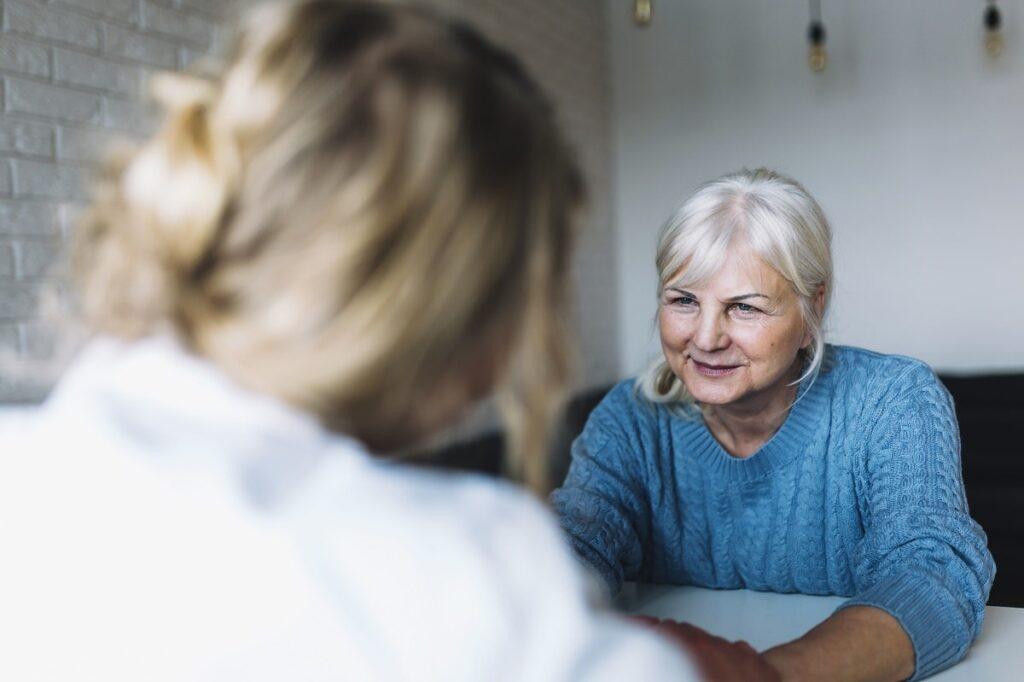
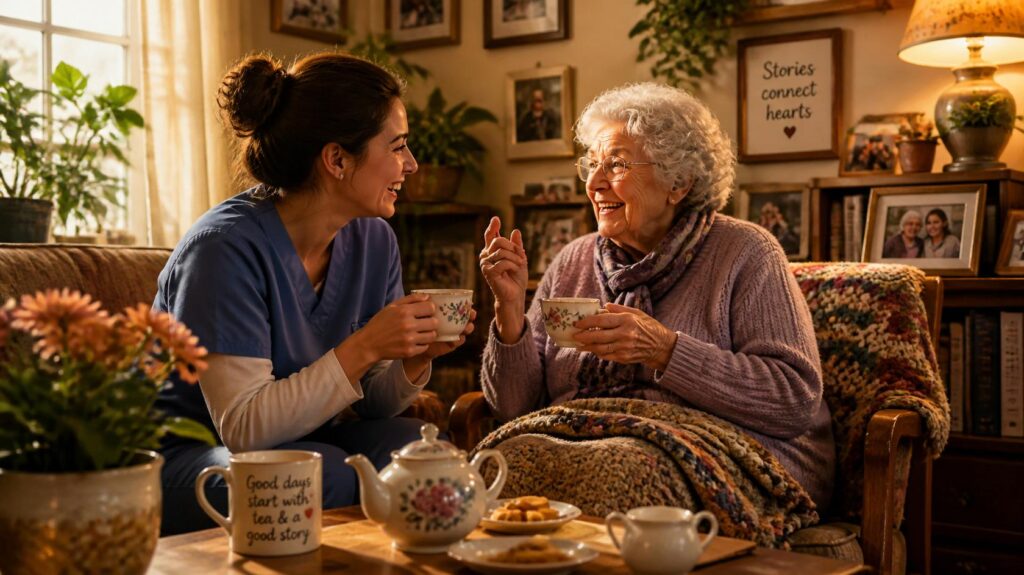
Choosing between telephone befriending and in person befriending is one of the first decisions families face when arranging companionship support for an older relative in Dundee. Both services exist to solve the same problem, which is the deep and often hidden loneliness affecting thousands of older adults across Dundee and the surrounding areas we cover. They simply solve it in very different ways.
Understanding how each option works, and who each one suits, makes it far easier to arrange support that your loved one will actually welcome rather than politely decline.
The Hidden Cost of Loneliness in Older Adults
Before comparing the two services, it helps to understand what prolonged isolation actually does to a person. The effects go far beyond boredom.
How Isolation Affects Memory and Mood
Conversation is mental exercise. Without it, cognitive decline can accelerate noticeably, with memory and processing speed both suffering. Extended solitude also frequently triggers depression, and the knock on effects are practical as well as emotional. People who spend too long alone often stop cooking proper meals, stop keeping on top of the housework, and in some cases stop getting out of bed at a reasonable hour.
Why Anxiety Grows in Silence
An empty house gives worries room to expand. A minor health symptom or an unexpected bill can spiral into genuine panic when there is nobody available to offer perspective. A regular point of contact interrupts that cycle before it takes hold. A befriender becomes an anchor to the outside world, giving someone both a reason to stay engaged and something to look forward to.
What Is Telephone Befriending?
Telephone befriending involves scheduled, regular phone calls from a dedicated care companion. The calls happen at an agreed time each week, so they become a fixed and reliable part of the person’s routine.
For many older adults, the thought of a stranger coming into their home feels genuinely daunting. They worry about the state of the house, or feel obliged to play host. Telephone befriending removes that pressure entirely. Your relative can enjoy a warm, engaging conversation from their favourite armchair without preparing a thing.
These calls create a safe and structured space to discuss current events, revisit fond memories, or simply chat about the weather and last night’s television.
Who Benefits Most from Telephone Befriending
Telephone support tends to work best for:
- People living in rural locations outside Dundee, where winter travel can disrupt visits
- Those managing chronic pain or extreme fatigue, for whom an hour long visit would be exhausting
- Individuals who are physically frail but mentally sharp and keen for good conversation
- Anyone who values their independence and wants a check in rather than company in the house
- Families looking for an affordable first step into social support
A twenty minute call delivers meaningful social stimulation without draining limited energy reserves. It also breaks up the long quiet stretches of the day by giving the person a scheduled event to build around.
What Is In Person Befriending?
In person befriending involves a care assistant visiting your loved one at home, and knowing what to expect from a first home visit helps everyone feel at ease from the very beginning. A companion can sit down for a fresh pot of tea, play a competitive hand of cards, help with a difficult jigsaw, or spend an afternoon working through old family photograph albums.
The Safety Benefits of Home Visits
Physical visits provide something a phone call never can, which is a genuine safety net.
Over the phone, it is very easy for someone to insist they are eating well and feeling fine when they are struggling. A care assistant in the home picks up on the visual cues instead. They will notice if the house is unusually cold, if fresh groceries are spoiling in the fridge, or if the person looks frail or unkempt.
Those observations allow the care team to flag a potential decline to the family early, often well before it becomes a medical emergency.
Getting Out and About in the Local Community
Being confined to the same four walls for months at a time takes a real toll on mental wellbeing. In person support opens the door back up.
A skilled care assistant can safely accompany a client on a gentle walk around Broughty Ferry to enjoy the sea air, visit a local garden centre to see the new spring planting, or arrange a trip to a favourite cafe for a slice of cake. These small, well managed outings deliver mental stimulation, a change of scenery, and a restored sense of independence.
Telephone Befriending vs In Person Befriending at a Glance
|
Consideration |
Telephone Befriending |
In Person Befriending |
|---|---|---|
| Typical session length | 20 to 30 minutes | 1 to 2 hours |
| Energy required from client | Very low | Moderate |
| Privacy in the home | Fully preserved | Care assistant enters the home |
| Wellbeing monitoring | Verbal cues only | Visual and environmental cues |
| Support with outings | Not possible | Walks, cafes, garden centres, appointments |
| Shared activities | Conversation only | Cards, puzzles, photo albums, baking |
| Suits severe social anxiety | Excellent starting point | Better once trust is built |
| Weather and travel disruption | None | Occasionally affected in winter |
How to Choose the Right Befriending Service
The right choice depends entirely on your relative’s mobility, energy levels, personality, and how they feel about having someone in their home. If you are still weighing up the type of support that fits best, it can also help to understand how concierge care compares with home help so you can see the full range of options.
Questions to Ask Before You Decide
- Does your loved one find the idea of a visitor stressful or comforting?
- How much energy do they realistically have on an average afternoon?
- Are they eating properly and keeping the house warm, or are you unsure?
- Would they benefit from help getting out of the house?
- Is the isolation mild and occasional, or constant and severe?
Telephone calls generally suit those who remain fiercely independent but still appreciate a regular social check in. In person visits are ideal for those who actively crave company, struggle with the quiet of an empty house, need encouragement to keep up their hobbies, or want a steady arm to help them get back into the local community.
Why a Blended Approach Often Works Best
Many families find the answer is not one or the other. A support plan might open with weekly phone calls to build trust, rapport, and familiarity. Once your relative feels entirely comfortable with the voice on the other end of the line, they become far more receptive to a home visit.
This gradual transition respects their boundaries while still moving towards the fuller social support they need. You can find more companionship and care advice on our blog if you would like to explore the options further.
Companionship and Befriending Services with Bentleys Homecare in Dundee
Bentleys Homecare understands that high quality personal care is only one part of a healthy and fulfilling life. Operating throughout Dundee and the surrounding areas, the team provides bespoke companionship services designed specifically to reduce loneliness and build genuine human connection.
The approach centres on carefully matching personalities. Clients are not simply assigned the nearest available worker. Instead, they are paired with care assistants who share similar interests, backgrounds, or hobbies, so that conversation flows naturally and real friendships have room to grow.
Whether your relative would prefer a weekly phone call to talk about classic films or twice weekly visits and a gentle stroll along the waterfront, Bentleys Homecare builds the plan around them.
Restoring social confidence takes time, patience, and absolute consistency. By providing a reliable and friendly presence, the team becomes a genuine link back to the local community, ensuring every individual feels valued, heard, and supported in exactly the way that suits them.