
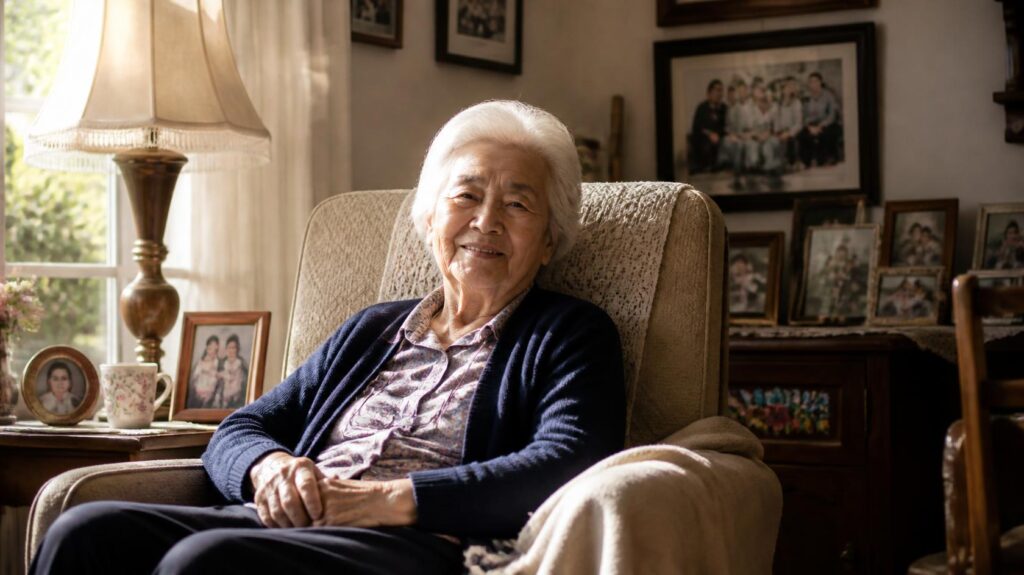
Most families do not wake up one morning and decide their parent needs care. It tends to creep in quietly. A missed pill here, a stain on a jumper that would once have been noticed straight away, a phone call that feels slightly muddled. On their own, these moments seem small enough to explain away. Together, they often tell a very different story.
This checklist is designed to help you look at your parent’s day to day life honestly and spot the patterns that matter, before a crisis forces the decision for you.
Why These Signs Are Easy to Miss
If you see your mum or dad every day, gradual decline can be almost invisible. You adjust without realising it, doing the extra shopping run, having the same reminder conversation about medication, tidying up before you leave. If you live further away and see them every few weeks, the opposite problem applies. Your parent will often put on a brave face for a short visit and save their energy for the one hour you are there.
This is why a proper checklist helps. It takes the guesswork and the guilt out of the equation and replaces it with something concrete you can actually assess.
The Checklist: Signs Your Elderly Parent Needs Home Care
Go through each section below. You do not need every single sign to be present for care to be worth considering. A cluster of two or three from different categories is usually a clearer signal than one isolated issue.
1. Personal Care and Hygiene
- Wearing the same clothes repeatedly, or clothes that are visibly dirty or stained
- A noticeable change in body odour or unwashed hair
- Avoiding baths or showers, or mentioning that washing feels difficult or frightening
- Unexplained bruising, which can point to unsteady balance while dressing or washing
- Nails, teeth or general grooming that have been neglected
Washing and dressing are often the first things older people struggle to keep up with, usually because of pain, fatigue or a fear of slipping. If you are noticing several of the signs above, personal care support that helps with washing, showering and getting ready for the day can restore both dignity and confidence without taking away your parent’s independence.
2. Mobility, Balance and Falls
- Bruises, cuts or an admission that they have “had a wee tumble”
- Furniture rearranged to create handholds around the house
- Avoiding stairs, or sleeping downstairs to avoid using them
- Holding onto walls or furniture while walking
- A general slowing down, or reluctance to leave the house at all
Falls are one of the single biggest risks to an older person’s independence, and the home environment plays a bigger part than most families realise. We covered this in detail in how a clean home reduces fall risk for elderly people, and if balance itself seems to be the issue, our guide to balance exercises for elderly people explains some simple ways to build strength safely at home.
3. Nutrition and Weight
- Weight loss that is not explained by anything else
- An empty or near empty fridge, or the same ready meal bought repeatedly
- Food that has gone out of date sitting in the cupboard
- Loss of interest in cooking or eating altogether
- Difficulty standing at the hob or preparing meals safely
Poor nutrition rarely announces itself. It shows up gradually as tiredness, low mood and a weakened immune system. Support with nutrition, exercise and rehabilitation at home can make sure meals are not just eaten, but properly nourishing, while also helping to rebuild the strength that poor eating tends to erode.
4. The Home Environment
- Piles of unopened post or unpaid bills
- Dust, clutter or general untidiness that is out of character
- Laundry piling up or being left unwashed
- Rotten food left in the fridge or bins that have not been emptied
- Signs of pests, or a strong smell when you walk in
A home that was once kept spotless is often one of the clearest tells, because it reflects energy levels and confidence rather than just cleanliness. Practical support such as general cleaning or a wider concierge service for errands, shopping and everyday tasks can lift a huge amount of pressure without your parent feeling as though they are losing control of their own home.
5. Memory, Medication and Safety
- Medication that is missed, doubled up or found in the wrong box
- Pots left on the hob, or the oven left switched on
- Getting lost on familiar routes, or confusion about the day or date
- Repeating the same questions or stories within a short space of time
- Difficulty following a conversation or a recipe they have made for years
Some memory changes are a normal part of ageing. Frequent safety related mistakes, particularly around cooking, medication or the front door, are not something to simply keep an eye on. These are the signs most likely to lead to an emergency, and they are also the ones families feel most guilty about missing.
6. Mood, Isolation and Withdrawal
- Turning down invitations they would normally have accepted
- Seeming flat, low or unusually irritable
- Long stretches without seeing anyone other than close family
- Losing interest in hobbies, the news or things they used to enjoy
- Talking about feeling like a burden
Loneliness is often described as one of the most serious, and most overlooked, health risks facing older people. It is not solved simply by more phone calls from family. Regular befriending and social care gives your parent genuine company and something to look forward to, and for those who are not ready for visits at home, telephone befriending offers a friendly, familiar voice on the other end of the line.
7. Money and Post
- Unusual purchases, or the same item bought several times
- Missed or forgotten bills that were always paid promptly before
- Bank statements that do not add up, or unexplained withdrawals
- Confusion when discussing money that was once handled competently
Financial changes can point to cognitive decline, but they can also make older people more vulnerable to scams and rogue traders. If you notice several of these signs, it is worth having a gentle, honest conversation sooner rather than later.
How Many Signs Are “Too Many”?
There is no fixed number that triggers a decision. What matters more is the pattern. One missed shower is nothing to worry about. A missed shower, an empty fridge and a stack of unopened letters, all appearing in the same visit, is a much stronger signal that daily life has become harder to manage alone.
It is also worth trusting your instinct. Many families tell us they knew something had changed long before they could point to a specific reason. If a visit to your parent leaves you feeling uneasy, that feeling is data too.
Starting the Conversation With Your Parent
Raising the subject of care is rarely easy, and most families worry about the conversation more than the care itself. A few things tend to help.
- Choose a calm moment, not straight after a fall or a scare
- Focus on specific, recent examples rather than general statements like “you can’t cope”
- Ask what they find difficult, rather than telling them what you have noticed
- Frame care as support that protects their independence, not something that replaces it
- Involve them in choosing what kind of help feels right, rather than presenting a decision that has already been made
Most older people are far more open to a little practical support, such as help with washing or the housework, than they are to the idea of “needing care”. Starting small often works better than trying to solve everything at once.
What Kind of Home Care Actually Helps
Home care is not one single thing, and it should not feel like an all or nothing decision. Our full range of home care services can be combined or scaled up gradually, starting with whatever matters most right now, whether that is a hand with washing and dressing, a weekly clean, company a few afternoons a week, or gentle exercise to rebuild strength and confidence after a fall.
If cost is part of what is holding the decision back, our guide to how much home care costs in Dundee explains the different options and the funding support available through Dundee City Council, so you can plan with real figures rather than guesswork.
Frequently Asked Questions
What is usually the very first sign that an elderly parent needs help?
For most families it is something practical and visible, such as a change in personal hygiene, an empty fridge, or unopened post building up. These everyday signs are often noticed well before any medical diagnosis.
My parent refuses to accept help. What can I do?
Start with the smallest, least intrusive form of support, such as a weekly clean or a befriending visit, rather than a full care package. Many people who resist the word “care” are far more comfortable accepting a bit of practical or social help, and trust tends to build from there.
Is it normal for an elderly parent to need care even if they seem mentally sharp?
Yes. Physical decline, mobility problems and fatigue can all create a genuine need for support even when memory and conversation seem completely unaffected. Home care is about safety and quality of life, not only cognitive health.
How quickly can home care be arranged if a parent has just come out of hospital?
This depends on the provider, but a fully managed local agency can usually arrange a care package far more quickly than trying to source and vet an independent carer yourself. Get in touch with Bentleys Homecare to discuss timescales for your family’s situation.