
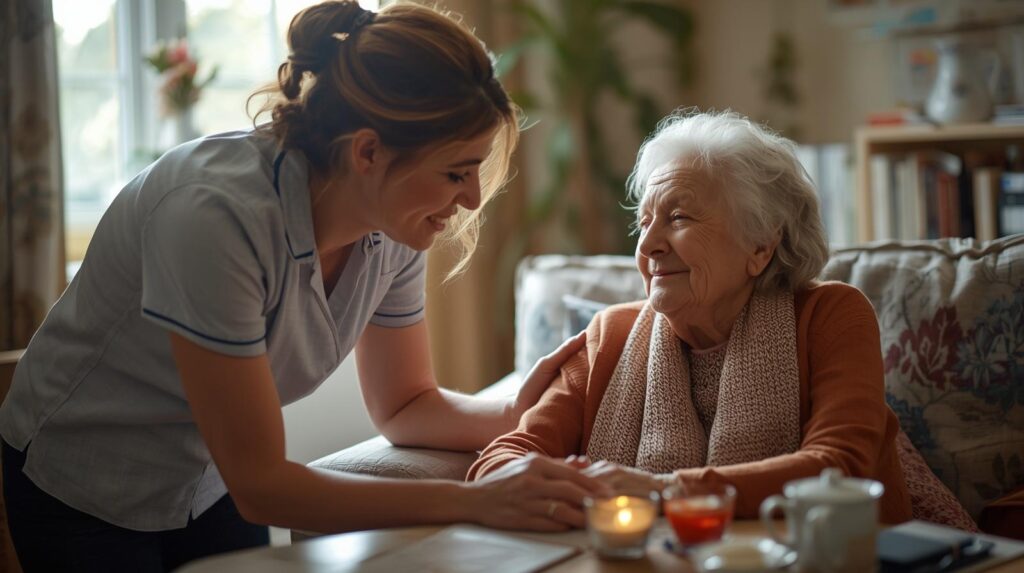
Loneliness and social isolation among the elderly are often viewed as unfortunate but inevitable consequences of ageing. When friends pass away, family members move for work, and physical mobility declines, a person’s social circle naturally shrinks. However, viewing isolation as merely a sad emotional state fundamentally misunderstands its nature.
Modern clinical research reveals that prolonged isolation is an acute health hazard. It alters biological systems, accelerates cognitive decline, and significantly increases mortality rates. For older people living in Dundee, Angus, and the surrounding areas, this issue is distinctively felt. The combination of unpredictable Scottish winter weather, complex urban-rural geographies, and public transport challenges frequently traps vulnerable individuals inside their own four walls.
Understanding the deep physiological and psychological impacts of isolation is the first step toward addressing it. True solutions require moving past superficial fixes and adopting structured, holistic care systems that restore purpose, physical vitality, and genuine human connection.
For families looking for personalised support, Bentleys Homecare provides home care services in Dundee designed to help older adults maintain independence, safety, and quality of life within their own homes.
The Physical Toll of Loneliness
The human body reacts to prolonged isolation not as a quiet state of rest, but as a chronic source of stress. Evolutionarily, human beings survived by remaining part of a tribe or community. When an individual is cut off from others, the brain perceives this state of vulnerability as an ongoing threat, triggering a permanent “fight or flight” physiological response.
Cardiovascular Decline and Inflammation
Sustained social isolation keeps the body’s sympathetic nervous system continuously active. This baseline stress state causes an overproduction of cortisol and other stress hormones, which elevates blood pressure and damages vascular walls. Over time, this systemic inflammation damages the cardiovascular system.
Epidemiological studies indicate that a lack of social relationships increases the risk of coronary heart disease by 29% and raises the risk of stroke by 32%. The cellular stress caused by isolation is so severe that public health experts frequently compare its mortality impact to smoking fifteen cigarettes a day, noting that it poses a greater danger to long-term survival than physical inactivity or clinical obesity.
Immune System Suppression and Frailty
Chronic stress from loneliness alters gene expression in white blood cells, reducing the body’s ability to fight off viral infections while simultaneously ramping up vascular inflammation. This impaired immune response leaves older adults highly vulnerable to common infections, such as influenza or urinary tract infections, which can quickly lead to emergency hospital admissions.
Furthermore, isolated individuals are far more likely to experience rapid physical frailty. Without the motivation of social engagement, nutrition often suffers. Cooking a balanced meal feels pointless when eating alone, leading many older adults to rely on tea and toast or processed convenience foods. This dietary decline causes sarcopenia (the progressive loss of skeletal muscle mass and strength), which increases the risk of falls, fractures, and a permanent loss of independence.
The Psychological and Cognitive Impact
The mind and the brain suffer just as acutely as the body when regular social interaction is removed. Human speech, shared activities, and emotional exchanges act as vital exercise for neural pathways. Without this regular stimulation, cognitive faculties degrade rapidly.
Acceleration of Dementia and Cognitive Decline
A lack of consistent, meaningful communication reduces brain plasticity. When an older person goes days or weeks without an engaging conversation, the brain’s cognitive reserves deplete. Clinical data shows that socially isolated older adults face a 50% increased risk of developing dementia or accelerating the progression of existing Alzheimer’s disease.
Regular conversation requires a complex mix of listening, processing language, interpreting facial expressions, and formulating responses. It is a comprehensive mental workout. Without it, the neural networks governing memory, reasoning, and emotional regulation begin to atrophy.
The Trap of Depression and Late-Onset Anxiety
Isolation creates a profound psychological feedback loop. As a person becomes more cut off from the world, their confidence erodes. They may develop late-onset anxiety about leaving the house, speaking on the phone, or managing public spaces. This anxiety leads to further withdrawal, cementing a severe state of clinical depression.
Depression in later life often goes undiagnosed because its symptoms, such as: fatigue, sleep disturbances, and memory issues, are mistakenly attributed to old age. This psychological pain directly suppresses physical recovery, making individuals less likely to take prescribed medications, attend medical appointments, or participate in vital rehabilitation exercises.
The Landscape of Isolation in Dundee
Addressing this issue requires looking closely at local realities. Dundee and the broader Angus region present specific environmental challenges that exacerbate isolation for older residents:
- Topography and Housing: Many older adults live in traditional tenement flats or hilly neighborhoods throughout Dundee. Navigating steep streets or flights of stairs becomes an insurmountable barrier if mobility declines or weather turns poor.
- The Scottish Weather: Long, dark winter months and icy pavements create a literal barrier to the outside world. Fear of slipping on ice forces many seniors to remain indoors for weeks on end, completely cutting off their normal community interactions.
- Declining Local Infrastructure: The closure of traditional high street shops, bank branches, and local post offices removes the casual, daily touchpoints that historically kept older people connected to their communities.
When these local factors combine with physical limitations, a house can easily transform from a place of comfort into a place of confinement.
Transforming Care: The Bentley’s Model
Combating an issue this deeply rooted requires looking beyond the traditional model of home care. Standard home care visits often focus strictly on a checklist of practical tasks: delivering a meal, administering medication, or assisting with morning washing. While these tasks are essential for survival, they do not address the social starvation that erodes an older person’s health.
At Bentleys Homecare, care is delivered through a structured framework known as the PSPR (Physical, Social, Psychological Recovery) Plan. This approach treats physical health, social connection, and emotional wellbeing as interconnected pillars. If you ignore one, the others inevitably collapse.
Physical Recovery as a Foundation
Physical independence is closely linked to social capability. If an older person lacks the strength to stand up safely or walk to the front gate, their world shrinks automatically.
The physical component of the PSPR model focuses on targeted at-home rehabilitation, gentle mobility exercises, and precise nutritional support. By rebuildling core strength and balance, older adults regain the confidence needed to move around their homes safely and, crucially, step back out into the community.
Social Befriending: Moving Beyond Tasks
True social care cannot be rushed or reduced to a checklist. It requires genuine companionship built on shared interests and mutual trust. Bentley’s prioritises matching care professionals with clients based on personalities, backgrounds, and hobbies, rather than just logistical availability.
This means time is intentionally carved out for conversation, sharing meals, reading together, or taking a walk through Broughty Ferry or a local Dundee-park. Whether through dedicated face-to-face visits or regular telephone befriending services, this consistent human connection breaks the silence of isolation, gives individuals something to look forward to, and restores a sense of routine.
Psychological Wellbeing and Preserving Identity
When a person is isolated, they often begin to lose their sense of identity, viewing themselves merely as a burden or a medical case. The psychological element of the PSPR framework focuses on preserving who the person is.
By engaging in reminiscence work, memory support for those living with dementia, and hobbies that a client has always loved, carers help seniors maintain their dignity and mental sharpness. This active engagement validates their life experiences and reinforces their value, which directly counters the onset of anxiety and depression.
Actionable Steps for Families and Communities
While professional, structured home care provides a robust solution, families and local communities also play a vital role in identifying and mitigating isolation.
|
Area of Action |
Practical Implementation Steps |
|---|---|
| Environmental Audits | Modify the home environment to maximise independence. Install proper handrails, improve lighting, and clear pathways so that moving toward the door or window does not feel dangerous or exhausting. |
| Micro-Interactions | Focus on small, high-frequency contact. A five-minute phone call every single day is often far more effective at combating the daily burden of loneliness than a single two-hour visit once every fortnight. |
| Leveraging Concierge Support | Use tailored concierge and accompanied transport services to help older adults attend local clubs, visit garden centers, or run errands safely, keeping them visible and active in public spaces. |
The Path Forward for Dundee’s Seniors
Social isolation is not a natural part of growing old; it is a serious clinical threat that demands a proactive response. We cannot afford to view care simply as a series of medical and domestic chores to be ticked off a list.
By recognising the physical, cognitive, and emotional damage caused by loneliness, we can shift toward a care model that values the whole person. Through structured frameworks like the Bentley’s PSPR model, older adults across Dundee and Angus can rebuild their strength, reclaim their social lives, and live with the dignity, purpose, and connection they deserve.