
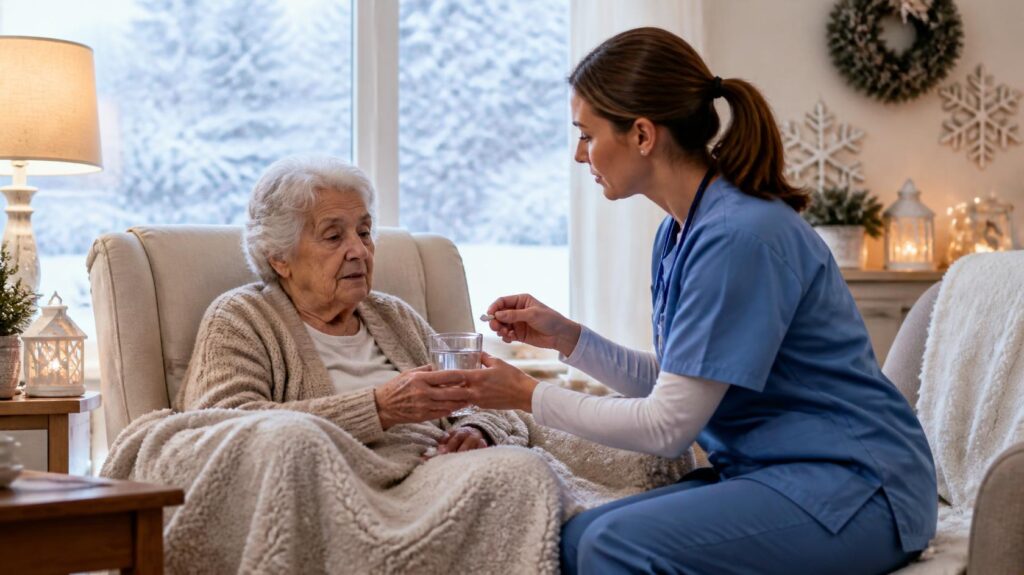
Winter in Dundee brings shorter days, colder homes and, for many older and vulnerable adults, a genuine rise in health risk. Flu, chest infections, norovirus and other seasonal illnesses spread quickly once the temperature drops, and the people most likely to be hit hardest are exactly the people who often live alone: elderly relatives, those with long term conditions and adults recovering from illness or surgery.
At Bentleys Homecare, this is a season we plan for carefully. A well organised home care routine does far more than react to illness once it appears. It builds a layer of everyday protection around a vulnerable adult, from encouraging the flu jab to spotting the first subtle sign that something is not quite right. This guide explains why winter illness is so dangerous for vulnerable adults, and exactly how home care support in Dundee helps them stay well throughout the colder months.
Why Winter Illness Hits Older and Vulnerable Adults Harder
Flu and winter viruses affect everyone, but the consequences are rarely equal. As people age, the immune system naturally becomes less efficient at recognising and fighting new infections, a process known as immunosenescence. Combine this with common conditions such as COPD, diabetes, heart disease or reduced mobility, and a seasonal bug that most people shake off in a few days can quickly turn into a hospital admission for an older adult.
Several factors make vulnerable adults particularly exposed during winter:
- Reduced immune response, meaning symptoms escalate faster and recovery takes longer.
- Existing respiratory or cardiac conditions that flu and chest infections can seriously worsen.
- Social isolation, which delays illness being noticed by anyone at all.
- Cold, poorly heated homes, which increase the risk of respiratory illness and circulatory problems.
- Reduced appetite and fluid intake, which weakens the body’s ability to fight infection.
- Falls risk increasing when someone feels dizzy, weak or unsteady while unwell.
This is exactly where consistent, in person support matters most. A trusted carer visiting regularly is often the only person who notices a subtle change in colour, breathing or energy before it becomes a crisis.
Recognising the Early Signs of Flu and Winter Illness at Home
One of the quiet advantages of regular home care visits is early detection. Family members may only see a loved one occasionally, especially during busy winter weeks, whereas a familiar carer visiting several times a week builds a clear picture of what “normal” looks like for that individual, and can flag anything that falls outside it.
Signs that a carer is trained to watch for include:
- A sudden change in temperature, or feeling unusually cold or clammy.
- New or worsening cough, breathlessness, or a change in breathing pattern.
- Confusion or increased drowsiness, which in older adults is often an early sign of infection rather than a cold or flu symptom in the traditional sense.
- Loss of appetite, reduced fluid intake or signs of dehydration.
- Reduced mobility, unsteadiness or an increase in the risk of falls.
- Skipped medication or forgotten routines, which can happen quickly once someone feels unwell.
Catching these signs early allows a carer to alert family members or a GP promptly, rather than a situation being left to develop over several days. Our team follows this same principle across every part of our home care services in Dundee, keeping a close, attentive eye on each client’s wellbeing all year round.
How Home Care Support Reduces the Risk of Flu and Winter Illness
Good home care is not just about responding to illness, it is about reducing the chances of it taking hold in the first place. Here is how a well structured care plan protects vulnerable adults through flu season.
Encouraging the Flu Vaccine and Health Checks
The flu vaccine remains one of the most effective ways to protect vulnerable adults each winter, and every year it is offered free on the NHS to those aged 65 and over, and to adults with certain long term health conditions. Carers play a genuinely practical role here, gently reminding clients about their appointment, helping arrange transport or a home visit where needed, and simply making sure the conversation happens rather than being forgotten. The same applies to the pneumococcal vaccine and any seasonal health checks a GP recommends.
Personal Care and Hygiene Support to Limit Infection Spread
Good hygiene remains one of the simplest and most effective ways to reduce the spread of flu and winter viruses, yet for someone with limited mobility or dexterity, everyday hygiene routines can become genuinely difficult. Our personal care service supports clients with washing, bathing and general hygiene in a way that protects dignity while significantly lowering infection risk. Carers are also trained in good infection control practice themselves, including regular handwashing and appropriate use of protective equipment when a client is unwell, so they never become part of the problem.
Nutrition and Hydration Support During Winter Months
A body fighting off a virus needs proper fuel, yet appetite often drops during winter, and even more so once someone feels unwell. Poor nutrition and dehydration weaken the immune system further, creating a difficult cycle. Through our nutrition, exercise and rehabilitation support, we help clients maintain a balanced diet, encourage warm, nourishing meals and monitor fluid intake, all of which give the body a genuine fighting chance against seasonal illness.
Keeping the Home Warm, Clean and Safe
A cold home is a health risk in its own right, contributing to respiratory illness, raised blood pressure and slower recovery from infection. Carers help ensure heating is used safely and consistently, that clients are dressed appropriately for the temperature, and that living spaces stay warm enough to support recovery. Regular cleaning also matters more than people realise during flu season, since viruses can survive on frequently touched surfaces such as door handles, remote controls and kitchen worktops for hours at a time. Our general cleaning service helps keep the home hygienic, reducing the chances of infection taking hold or spreading between household members.
Companionship and Mental Wellbeing Through the Winter Season
Winter illness is not only physical. Shorter days, reduced social contact and time spent indoors can affect mood significantly, and low mood has a genuine knock on effect on physical health and immune resilience. Our befriending and social care service gives clients regular, familiar company to look forward to, while our telephone befriending service offers an additional layer of connection on the days between visits, particularly valuable when icy conditions make getting out and about more difficult.
What to Do If a Loved One Falls Ill This Winter
Even with the best preventative care, illness sometimes still takes hold. If a vulnerable adult develops flu symptoms, worsening breathlessness, confusion, a high temperature that will not settle, or any sudden change from their usual self, it is important to act quickly rather than wait and see.
- Contact their GP or NHS 24 on 111 for advice, particularly if symptoms worsen quickly or the person has an existing health condition.
- Encourage rest, warmth and regular small amounts of fluid.
- Keep a close eye on breathing, alertness and colour, and seek urgent help if any of these change suddenly.
- Make sure medication is taken as prescribed, even if appetite and energy are low.
- Let their care team know immediately, so visit frequency and support can be adjusted while they recover.
This is precisely why families often choose to increase support during the winter months, even for a loved one who usually manages well independently. A short period of extra visits during flu season, or additional support following a fall linked to illness (a connection we explore further in our guide on how a clean home reduces fall risk for elderly people), can make a real difference to how quickly someone recovers.
How Bentleys Homecare Supports Vulnerable Adults Through Flu Season in Dundee
At Bentleys Homecare, our approach to winter wellbeing is built into our wider Physical, Social and Psychological Recovery Plan (PSPR), ensuring that every client’s care is looked at as a whole rather than in isolated pieces. This means a carer is not simply completing a task list, they are watching, listening and adjusting support around how a person is genuinely doing that week, which matters enormously during flu season.
Our carers are trained to recognise the early warning signs of winter illness, to support good hygiene and nutrition, and to keep families informed the moment anything changes. Whether a client needs a short term increase in visits during a bout of flu, ongoing personal care support, or simply regular companionship to keep spirits up through the darker months, our team across Dundee and the surrounding areas we cover is here to help. If you are weighing up how much extra winter support might cost, our guide on home care costs in Dundee is a helpful place to start.
Frequently Asked Questions
How does home care help prevent flu in elderly people?
Home care helps prevent flu by encouraging vaccination, supporting good hygiene during personal care, maintaining nutrition and hydration, and keeping the home warm and clean, all of which reduce both the risk of catching flu and the severity of illness if it does occur.
What are the early warning signs of flu in an elderly person?
Early signs often include unusual tiredness or confusion, a change in appetite, feeling cold or shivery, a new cough, and general unsteadiness. In older adults, confusion can appear before more obvious symptoms such as a high temperature.
Should home care visits increase during winter?
Many families choose to increase visit frequency during the winter months, particularly for relatives with existing health conditions, as more regular contact allows earlier detection of illness and faster access to support.
Can carers help arrange the flu vaccine?
Yes. Carers can remind clients about their flu vaccine appointment, support them to attend, or help coordinate a home visit from a healthcare professional where this has been arranged with the GP practice.
Protecting the People You Love This Winter
Flu season does not have to mean added worry for families in Dundee. With the right home care support in place, vulnerable adults can stay warmer, safer and better protected against seasonal illness, while families gain genuine peace of mind. To find out how Bentleys Homecare can support your loved one through the winter months ahead, get in touch with our team today.