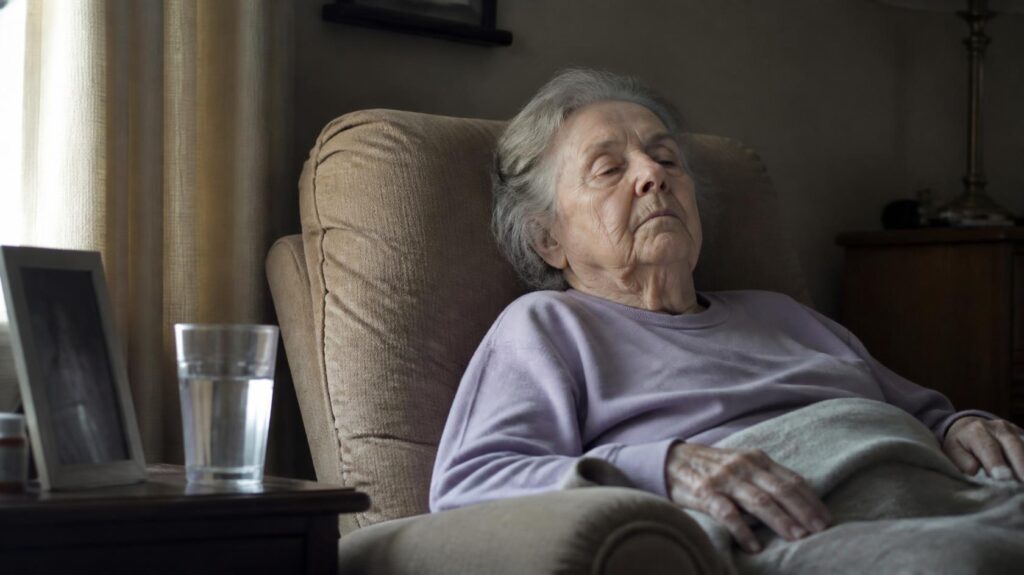
A half finished cup of tea left on the side table. A glass of water untouched since breakfast. These small details are easy to overlook, yet they can be early warnings of one of the most common and preventable health problems in later life.
Dehydration in the elderly often develops quietly. Older people may not feel thirsty, may deliberately drink less to avoid trips to the toilet, or may simply forget. By the time symptoms appear, dehydration can already be causing confusion, dizziness or a fall.
This guide explains why older people are more prone to dehydration, the signs families should watch for, how much an older person should drink, and how carers help make good hydration part of everyday life at home in Dundee.
Why Are Older People More Likely to Become Dehydrated?
Dehydration happens when the body loses more fluid than it takes in. Several natural changes with age make this much more likely.
- A weaker sense of thirst. As we age, the body becomes less effective at signalling thirst. Many older people simply do not feel the urge to drink, even when they need to.
- Changes in kidney function. Ageing kidneys are less able to conserve water, so more fluid is lost through urine.
- Less water in the body. Older adults naturally carry less body water than younger people, which leaves a smaller reserve to fall back on.
- Medication. Water tablets (diuretics), laxatives and some blood pressure medicines increase fluid loss.
- Fear of incontinence. Some people cut back on drinks, especially in the evening or before going out, to avoid accidents or night time trips to the toilet.
- Mobility problems. If getting up to make a drink is painful or tiring, it is easy to go without.
- Memory problems. People living with dementia may forget to drink, or forget that they have not had a drink for hours.
- Illness. A fever, sickness, diarrhoea or a chest infection can drain fluids quickly, which is why hydration matters so much during flu and winter illness.
Why Dehydration Is So Serious for Older People
Even mild dehydration can have a noticeable effect on an older person’s health, safety and independence.
- Falls. Dehydration can cause dizziness and low blood pressure, especially when standing up. This makes falls far more likely, alongside other risks covered in our guide to balance exercises for fall prevention.
- Confusion. A lack of fluid can bring on sudden confusion or drowsiness, which is sometimes mistaken for dementia or a stroke.
- Urinary tract infections. Not drinking enough allows bacteria to build up in the bladder. In older people, UTIs can cause confusion and agitation as well as physical symptoms.
- Constipation. Low fluid intake is one of the most common causes of constipation, which can be painful and affect appetite.
- Kidney problems. Repeated or severe dehydration can strain the kidneys and increase the risk of kidney stones.
- Hospital admission. Dehydration is a common and largely avoidable reason for older people being admitted to hospital. Good hydration also supports recovery at home after a hospital stay.
Signs of Dehydration in the Elderly
Because thirst is often missing in older people, it is important to recognise the other signs. The NHS highlights older adults as one of the groups most at risk.
| Level | What you might notice | What to do |
|---|---|---|
| Early signs | Dark yellow or strong smelling urine, going to the toilet less often, dry mouth and lips, headache, tiredness, feeling lightheaded | Offer fluids little and often, and keep an eye on them over the next few hours |
| Needs urgent advice | Unusual tiredness, dizziness on standing that does not pass, passing very little urine, a fast heartbeat or quick breathing | Contact the GP for an urgent appointment, or call NHS 24 on 111 |
| Emergency | Confusion, being very drowsy or hard to wake, cold or pale and blotchy skin, difficulty breathing | Call 999 straight away |
In older people, a sudden change in behaviour or new confusion should always be taken seriously. It can be a sign of dehydration, a urine infection or another illness that needs prompt attention.
How Much Should an Older Person Drink Each Day?
The NHS Eatwell Guide recommends around six to eight cups or glasses of fluid a day for adults. The simplest check is urine colour: pale straw coloured urine usually means someone is drinking enough.
The good news is that it does not all have to be water. Fluids that count include:
- Water and sugar free squash
- Tea and coffee, including decaffeinated
- Milk and milky drinks
- Fruit juice and smoothies, ideally limited to one small glass a day
- Soup
Food also contributes. Fruit, vegetables, yoghurt, jelly and ice lollies all contain plenty of water.
An important note: some people with heart failure or kidney disease are advised to limit their fluids. If your relative has a long term condition, check with their GP before encouraging them to drink more.
Practical Ways to Help an Elderly Person Drink More
Encouraging someone to drink is rarely about one big change. Small, consistent habits tend to work best.
- Tie drinks to routines. Offer a drink when they wake up, with every meal, mid morning, mid afternoon and with medication.
- Keep drinks within reach. Place a glass or bottle beside their favourite chair and bed so they never have to get up to find one.
- Offer little and often. A few sips every half hour is easier than a large glass at once, especially for people with small appetites.
- Make it social. Many people drink more when someone joins them for a cuppa and a chat.
- Vary the choice. Offer different temperatures and flavours, such as warm squash in winter, flavoured water or a milky drink before bed.
- Use the right cup. Lightweight mugs with two handles, cups with lids or a straw can make drinking easier for people with weak grip or a tremor. Brightly coloured cups are easier to see for people with poor eyesight.
- Serve hydrating foods. Soup, stews, porridge, custard, jelly, melon and yoghurt all add fluid to the day.
- Address toilet worries. Drinking more earlier in the day and less in the late evening can reduce night time trips without cutting overall intake.
Good hydration goes hand in hand with good nutrition and gentle activity. You can read more about how we bring these together in our article on exercise and nutrition at home.
Dehydration and Dementia: Why Extra Care Is Needed
People living with dementia face a much higher risk of dehydration. They may not recognise thirst, may forget whether they have had a drink, or may struggle to ask for one. Some find it hard to recognise a glass or cup for what it is.
Dehydration can also make dementia symptoms worse, increasing confusion, agitation and the risk of falls. This can create a difficult cycle that is easy to miss.
These simple approaches often help:
- Hand the drink directly to the person rather than leaving it on the table
- Use clear glasses or contrasting colours so the drink is easy to see
- Sit and drink together, as people often copy what others are doing
- Offer drinks they have always enjoyed, which can feel familiar and comforting
- Keep a simple record of drinks through the day so family and carers can spot a shortfall early
For more on supporting a loved one with dementia at home, read our guide to creative vs traditional dementia care in Dundee.
How Carers Help Prevent Dehydration at Home
For many families, the biggest worry is what happens between visits. Regular home care visits create natural points in the day when drinks are offered, intake is checked and any early warning signs are noticed.
- Offering drinks at every visit. Carers make a drink part of every call and leave fresh drinks within reach before they go.
- Preparing hydrating meals and snacks. Soups, puddings and fruit help top up fluids, especially for people with small appetites.
- Monitoring and recording. Carers can keep a note of what has been drunk and share any concerns with the family or GP.
- Spotting early signs. A trained carer will notice changes such as dark urine, unusual tiredness or new confusion, and act quickly.
- Supporting continence with dignity. Help with washing, dressing and toileting can ease the worries that make some people avoid drinking.
- Keeping cupboards stocked. Our concierge service can handle shopping, so favourite drinks and hydrating foods never run out.
- Friendly reminders between visits. A regular call through our telephone befriending service is a gentle prompt to have a drink, as well as a welcome chat.
Even a short daily visit can make a real difference. If you are unsure how much support is right, our article on whether part time home care is enough can help you decide.
How Bentleys Homecare Supports Healthy Hydration in Dundee
At Bentleys Homecare, hydration is built into every care plan rather than treated as an afterthought. Our exercise, rehab and nutrition at home service looks at eating, drinking and staying active together, because each one supports the others.
- Consistent carers who get to know your relative’s favourite drinks and daily habits, and notice quickly when something changes
- A whole person approach through our Physical, Social and Psychological Recovery Plan (PSPR), linking physical health with mood and social contact
- Clear communication with families, so you always know how your loved one is doing
- Flexible support, from a daily check in to several visits a day, including extra help during illness or after a hospital stay
We support older people across Dundee, Broughty Ferry, Monifieth, Carnoustie, Invergowrie and the surrounding areas.
Keeping Your Loved One Healthy and Hydrated at Home
Dehydration in the elderly is common, but it is also one of the most preventable health problems in later life. Knowing the signs, building drinks into daily routines and having someone there to notice small changes can protect your relative from falls, infections and avoidable hospital stays.
If you are worried that your loved one is not drinking enough, the team at Bentleys Homecare is here to help. Contact us today or call 01382 722 037 for a friendly, no obligation chat about home care in Dundee.