
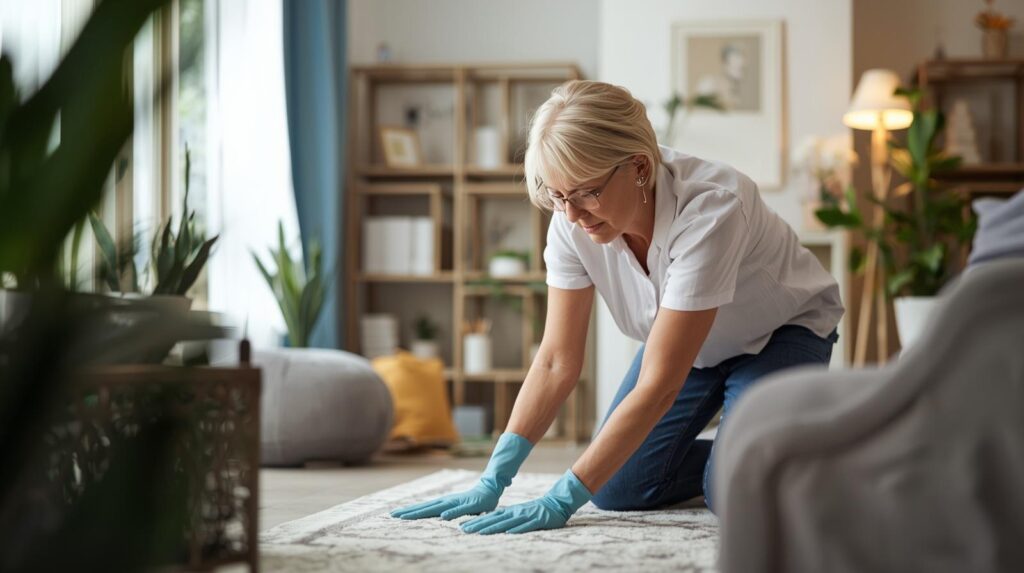
When families begin looking for support at home for an older loved one, one of the first assumptions is that they simply need a cleaner.
But after a few weeks, many realise the issue was never really about cleaning.
The house may become difficult to manage, routines start slipping, meals become irregular, laundry piles up, and everyday tasks begin taking more energy than they once did.
This is where understanding the difference between housekeeping and home cleaning becomes important.
Although these services sound similar, they support very different outcomes and choosing the right one can make a significant difference to comfort, independence and quality of life.
What Is Home Cleaning?
Home cleaning focuses on maintaining cleanliness and hygiene inside the property.
The work is generally task based and completed on a scheduled basis. The objective is to clean the environment rather than support the person living in it.
Home cleaning services commonly include:
• Vacuuming and mopping floors
• Dusting surfaces
• Bathroom cleaning
• Kitchen cleaning
• Window cleaning
• Emptying bins
• General sanitising
• Deep cleaning when required
For many households, cleaning services work perfectly because the home simply needs maintenance.
However, for elderly individuals, keeping a home clean is not always the main challenge.
What Is Housekeeping?
Housekeeping takes a broader and more supportive approach.
Rather than focusing only on cleanliness, housekeeping helps maintain the day to day functioning of the home and supports everyday living.
Housekeeping is often more integrated into routines and may adapt according to changing needs.
Typical housekeeping support may include:
• Light cleaning and tidying
• Laundry and ironing
• Changing bedding
• Meal preparation
• Shopping support
• Organising household essentials
• Maintaining comfortable living spaces
• Encouraging routines
• Helping reduce household stress
Housekeeping is less about achieving hotel level cleanliness and more about making everyday life manageable.
For households supporting someone with changing care needs, broader services such as later life support can complement housekeeping and help maintain independence over time.
Housekeeping vs Home Cleaning: The Real Difference
At first glance the distinction appears small, but the experience for older adults can be very different.
| Area | Housekeeping | Home Cleaning |
|---|---|---|
| Main objective | Supporting daily living | Cleaning the property |
| Relationship with the individual | More ongoing | Usually transactional |
| Flexibility | High | Task focused |
| Meal support | Often included | Rare |
| Laundry support | Usually included | Sometimes |
| Household organisation | Common | Limited |
| Routine support | Frequently | Uncommon |
| Focus | Person and environment | Environment only |
A simple way to think about it:
Home cleaning makes the house look better.
Housekeeping helps life run better.
Why Elderly People Often Need More Than Cleaning
As people get older, maintaining a home can become more difficult for reasons that are not always obvious.
It may not be a lack of willingness.
Often it is the amount of physical effort, energy and planning required.
Tasks that once took twenty minutes can become tiring, overwhelming or easy to postpone.
Families often notice:
• Laundry remains unfinished
• Meals become simpler or skipped
• Bedding changes happen less often
• Household clutter gradually builds
• Everyday routines become inconsistent
• Social confidence decreases
Staying physically and mentally engaged can also support daily independence and activities such as home exercises for people with dementia may become part of a broader support routine.
These changes can affect wellbeing long before they become serious concerns.
This is why many families discover that practical household support creates benefits beyond having a tidy home.
When Home Cleaning May Be Enough
Home cleaning may be the right solution if:
• The person remains independent in most areas
• Household routines are still maintained
• Cleaning is the primary challenge
• Family support already covers shopping and meals
• No wider household assistance is needed
Cleaning can remove physical strain while allowing independence to continue.
When Housekeeping May Be the Better Choice
Housekeeping often becomes the better fit when:
• Daily routines are becoming difficult to maintain
• Household organisation is declining
• Meal preparation feels tiring
• Laundry and bedding are becoming neglected
• Family members are taking on increasing responsibilities
• There is a desire to remain living independently for longer
Some people may also benefit from additional personal support such as washing and dressing support alongside household assistance.
In these situations, housekeeping supports both the home and the individual.
Can Housekeeping and Cleaning Work Together?
Absolutely.
Many older adults benefit from combining both services.
For example:
• Regular housekeeping visits to maintain routines
• Periodic deep cleaning for larger household tasks
• Laundry and meal support alongside scheduled cleaning
• Flexible arrangements that adapt over time
The goal should not be choosing the most services.
It should be choosing the right level of support.
Questions Families Should Ask Before Deciding
Before arranging support, ask:
- Is the issue cleaning or managing daily life?
- Are meals, laundry and routines being maintained?
- Is someone becoming tired more easily?
- Are family members providing increasing support?
- Would practical household help improve independence?
Emotional wellbeing matters as much as practical support and even simple routines like regular phone support for older adults may help maintain connection and confidence.
These questions often reveal whether cleaning alone will solve the problem.
What Elderly People Actually Need
The answer is different for every household.
Some people simply need occasional cleaning support.
Others benefit more from housekeeping because daily life has become harder to manage than household dirt.
The best support is rarely the one that does the most.
It is the one that quietly removes pressure, protects independence and helps someone continue living comfortably in the place they know best.
When support is matched to real needs, the home becomes easier to manage and everyday life becomes easier to enjoy.